Baltimore, Maryland, boasts a comprehensive network of legal and community support for sexual abuse survivors. Sexual abuse law firms offer free consultations, contingency services, and collaboration with mental health professionals. Local bar associations and clinics provide pro bono assistance. These resources, often led by survivor-driven organizations, empower victims to pursue justice, heal, and create safer environments through education and awareness initiatives.
In Baltimore, a supportive community plays a vital role in helping victims of sexual abuse heal. This article explores how various sectors unite to provide legal support and resources, with a focus on leading sexual abuse law firms in Baltimore, MD. It delves into the crucial work of community organizations offering help and healing, while also highlighting efforts to raise awareness and prevent such crimes. By examining these aspects, we uncover a comprehensive approach to supporting survivors and fostering a safer environment.
Legal Support and Resources for Survivors in Baltimore
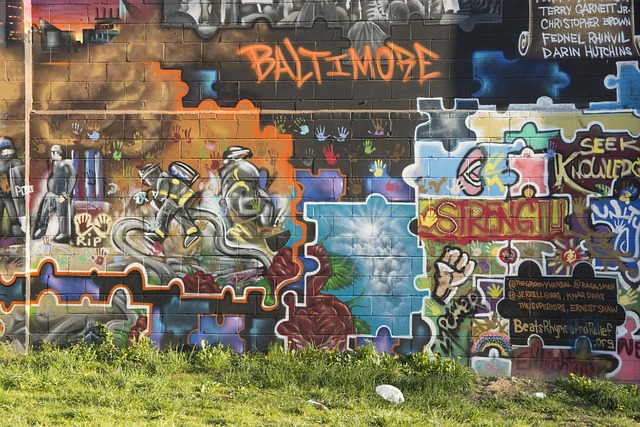
In Baltimore, survivors of sexual abuse have access to a range of legal support and resources tailored to help them navigate their journey toward healing and justice. Many organizations, including sexual abuse law firms in Baltimore MD, specialize in assisting victims through complex legal processes. These firms offer free initial consultations and work on a contingency basis, meaning they only get paid if the case is won. They provide crucial guidance on filing criminal charges against perpetrators, understanding their rights, and pursuing civil lawsuits for compensation and closure.
Local bar associations and community legal clinics also play a significant role in offering pro bono services to those who cannot afford legal representation. These organizations often collaborate with other service providers to offer comprehensive support, including mental health counseling and advocacy for protective orders. The availability of such resources empowers survivors to take control of their lives and seek the justice they deserve while healing from their traumatic experiences.
Community Organizations: A Network of Help and Healing

In Baltimore, a robust network of community organizations offers critical support systems for sexual abuse victims. These groups provide a range of services, from safe spaces and counseling to legal aid and advocacy. Many of these organizations are led by survivors themselves, bringing unique insights and perspectives to their work. They collaborate closely with local hospitals, police departments, and schools to ensure comprehensive care and protection for individuals affected by sexual violence.
A prominent example is the collaboration between various sexual abuse law firms in Baltimore MD and community-based initiatives. These legal professionals offer pro bono services, helping victims navigate complex legal processes while ensuring their rights are protected. By combining legal expertise with a healing-focused approach, these organizations create a holistic support structure that empowers survivors to rebuild their lives.
Raising Awareness: Preventing and Addressing Sexual Abuse

In Baltimore, community efforts to support sexual abuse victims are multifaceted, with a significant focus on raising awareness and prevention. Local organizations, including non-profits, government agencies, and advocacy groups, work tirelessly to educate residents about the prevalence and impact of sexual violence. They host workshops, seminars, and public events that target different demographics, from schools and colleges to businesses and community centers, ensuring that valuable information reaches all corners of the city.
Through these initiatives, Baltimore residents learn about recognizing signs of sexual abuse, responding appropriately, and understanding their rights. Moreover, they gain insights into how to create safer environments, both physically and digitally, which is crucial in a city like Baltimore MD, where a sexual abuse law firm might see a high volume of cases. This collective awareness plays a pivotal role in fostering a culture that does not tolerate sexual violence and encourages victims to come forward and seek help.